

Parents of Kids in Sports
The Struggle of Supportive but Helpless Parents
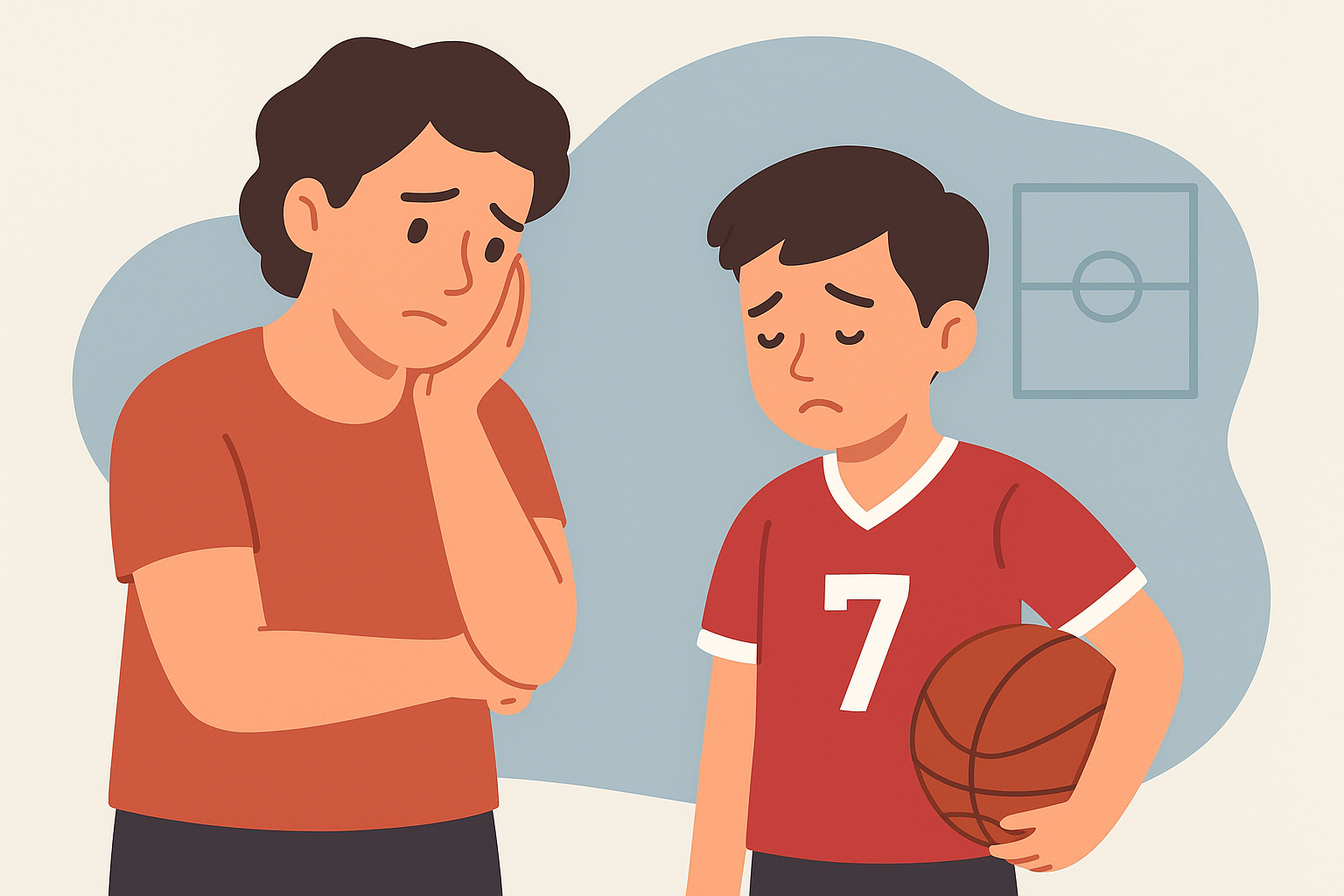
Parents of kids in sports, every parent dreams of being their child’s biggest supporter, especially when it comes to sports. The Struggle of Supportive but Helpless Parents, watching your son or daughter step onto the field, court, or pool brings immense pride. Yet, for many parents, there is also an underlying struggle.
Sometimes, parents lack the time, money, or knowledge to provide guidance. Other times, circumstances like health or work schedules make involvement difficult. Although frustration may surface, it’s essential to remember that support does not always require direct participation. Even if you cannot teach the rules or practice drills, , your role as an encourager can be more powerful than you think.
The Emotional Side of Parenting Athletes
Sports can spark strong emotions in parents. On one hand, there is pride and excitement when your child improves or wins a game. On the other hand, there may be sadness, guilt, or frustration when you cannot offer the same help other parents do.
Comparison is common. You see other dads coaching from the sidelines or moms buying expensive training equipment, and you wonder if you’re doing enough. However, the truth is that children value love, presence, and encouragement far more than technical skills. What matters most is that they feel supported, even if you are not the one teaching them how to shoot a basket or swing a bat.
Why It’s Not Always Easy to Get Involved
Getting deeply involved in youth sports sounds ideal, but in reality, it isn’t always possible. Sports demand a combination of time, finances, and expertise. Not every family has access to all three.
For example, some parents work long hours, leaving little time for after-school practices. Others may not understand the sport well enough to coach at home. Additionally, costs for uniforms, travel tournaments, and private coaching can quickly add up.
Despite these challenges, support can still be shown in meaningful ways. Simply asking your child about practice, celebrating their progress, or attending games when possible can strengthen their confidence. Even if your role is different from other parents, it remains valuable.
Understanding the Role of Parents in Youth Sports
Parents often misunderstand their role in their child’s athletic journey. They believe they must act as coaches or trainers. Yet, the most successful sports families recognize that parents and coaches serve different purposes. Coaches handle technical skills, while parents provide emotional stability.
Encouragement vs. Direct Involvement
Encouragement is simple but powerful. A few kind words after a game can boost your child’s confidence more than a technical correction. “I loved watching you play today” has far more impact than pointing out every mistake.
The Fine Line Between Helping and Overstepping
However, it’s easy to unintentionally overstep. Some parents, eager to help, end up giving conflicting advice that confuses their child. To avoid this, it’s best to trust the coach with technical matters while focusing on your role as the constant source of motivation.
Common Reasons Parents Can’t Help Their Kids in Sports
There are many reasons why parents struggle to assist directly. Understanding these reasons not only reduces guilt but also helps parents focus on alternative ways to provide support.
Lack of Sports Knowledge or Skills
Not every parent grew up with sports. Without prior experience, it can feel intimidating to teach or even follow along. Still, your value is not reduced because you don’t know the rules—your encouragement is what matters most.
Busy Schedules and Work Commitments
Modern life is demanding. Between jobs, school activities, and household responsibilities, free time is limited. Because of this, attending every practice or game isn’t always realistic. What children appreciate most is the effort you make to be present when possible.
Financial Limitations and Access to Resources
Sports can be costly, especially competitive ones. Uniforms, gear, tournaments, and training programs add up quickly. Many parents feel pressure when they cannot afford these extras. Nevertheless, children can still thrive through community programs, school teams, or free local resources.
Physical or Health Limitations of Parents
Finally, some parents face physical challenges that make active participation impossible. Whether due to health conditions or disabilities, direct involvement may not be an option. However, emotional support and logistical help—like organizing rides or cheering from the sidelines—are equally valuable.