

Players Struggle with Coaches Over Playing Time
Players Struggle with Coaches Over Playing Time
Why High School Players Struggle with Coaches Over Playing Time
In high school sports, the dream of stepping onto the field or court and making an impact drives many athletes. However, when players remain on the bench, frustration builds quickly. As a result, resentment often grows toward coaches. While some situations are linked to performance, many are influenced by emotional and social factors.
Unmet Expectations and Personal Investment
High school athletes dedicate significant time and energy to their sport. They attend practices faithfully, complete off-season training, and set personal goals. Therefore, when they don’t receive playing time, their effort feels wasted. Many players even believe favoritism or bias is involved, whether or not this is accurate.
Lack of Communication and Transparency
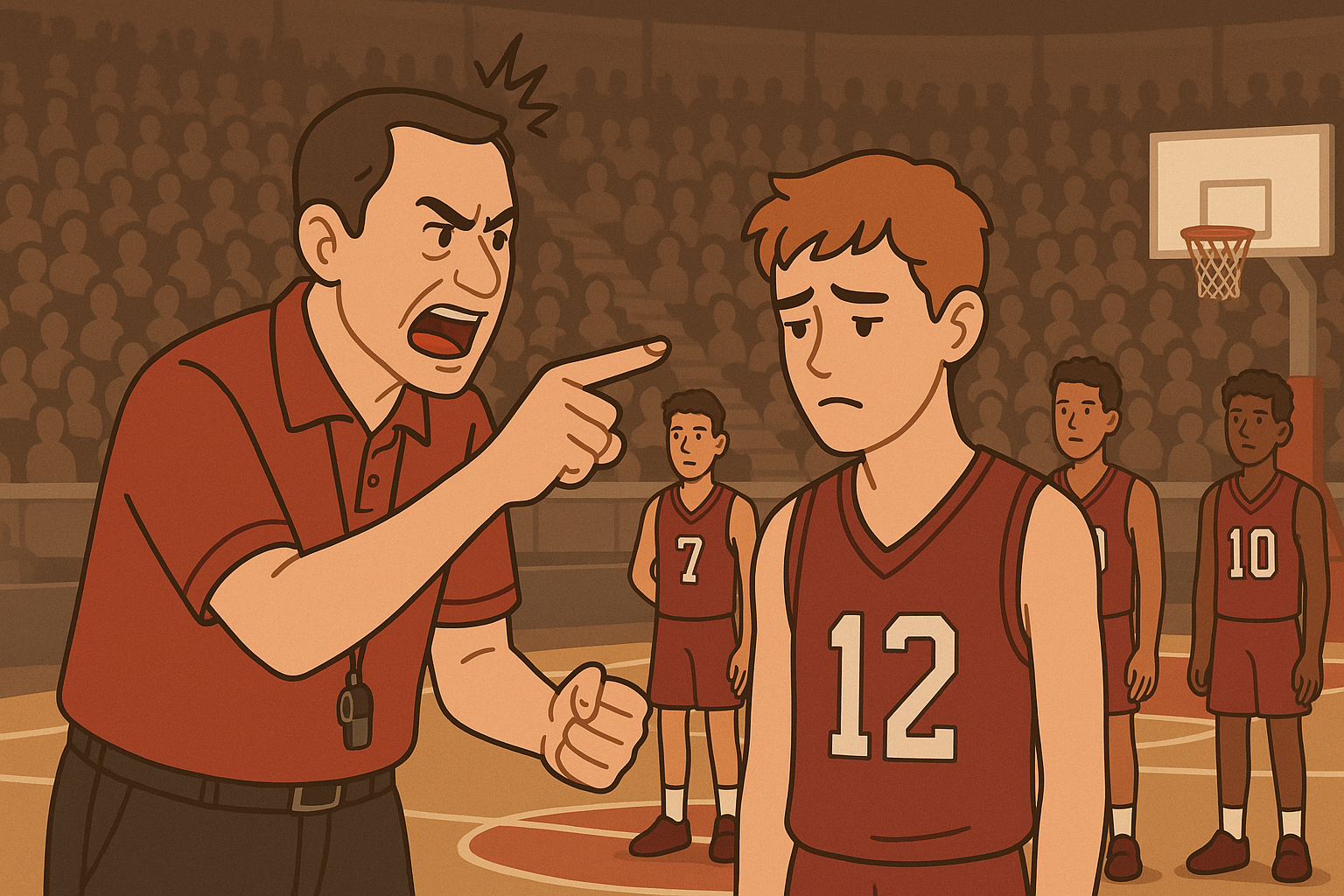
Poor communication is one of the biggest reasons athletes feel upset. Players often don’t understand why they’re not getting minutes during games. Without clear explanations, frustration only grows. Furthermore, when coaches fail to provide feedback or constructive criticism, athletes feel lost and discouraged.
In some cases, feedback is delivered inconsistently. While certain players are coached regularly, others are left on the bench without guidance. Athletes notice this uneven treatment, which damages trust and lowers team morale.
Parental Influence and Outside Pressure
Parents add another layer of complexity. When they believe their child deserves more time on the field or court, they apply pressure on coaches. This often creates tension between families and coaching staff, as well as among teammates.
As a result, a coach’s decisions are scrutinized heavily. Even when choices are made for strategic reasons, they may be misunderstood or challenged. In such an emotionally charged setting, conflict spreads quickly.
The Emotional Impact on Players
High school is a critical stage of personal growth, and being left out of game action can hurt an athlete’s confidence. Players also compare themselves to teammates, questioning why others are chosen over them. This constant self-comparison fuels stress, doubt, and sometimes even a loss of passion for the sport.
Over time, what once felt like an exciting passion can become a source of anxiety. Many coaches remain unaware of this hidden emotional toll because athletes rarely express it openly.
Conclusion
Conflicts over playing time in high school sports stem from a mix of unmet expectations, poor communication, and outside pressure. Not every athlete can play in every game, but coaches can ease frustration with transparency, fairness, and empathy. At the same time, players benefit from honest self-reflection and open conversations with their coaches.
By bridging this gap, teams not only improve performance but also protect the growth, confidence, and well-being of young athletes.